Why this approach?
A precise map of the coronary arteries
Coronary CT angiography can show narrowing and plaque in the arteries before any intervention.
Assessing heart muscle and function
Cardiac MRI for cardiomyopathy, inflammation and structural defects, at partner centres in Tehran.
Subspecialist interpretation
Reports based on fellowship training in cardiac imaging, not a general radiology read.
Procedure steps
-
1
Consultation and scheduling
History, cardiac background and preparation instructions (fasting for CT) are coordinated at the Pasdaran clinic.
-
2
CT/MRI at an equipped centre
The scan is arranged at a partner imaging centre in Tehran and the time is confirmed with you.
-
3
Interpretation and explanation
The findings are explained in plain language at the clinic or online.
Chest pain, shortness of breath or a family history of heart disease may lead your doctor to request a cardiac CT or MRI. Choosing the right centre and having the scan interpreted by a subspecialist are as important as the scan itself.
What are cardiovascular CT and MRI?
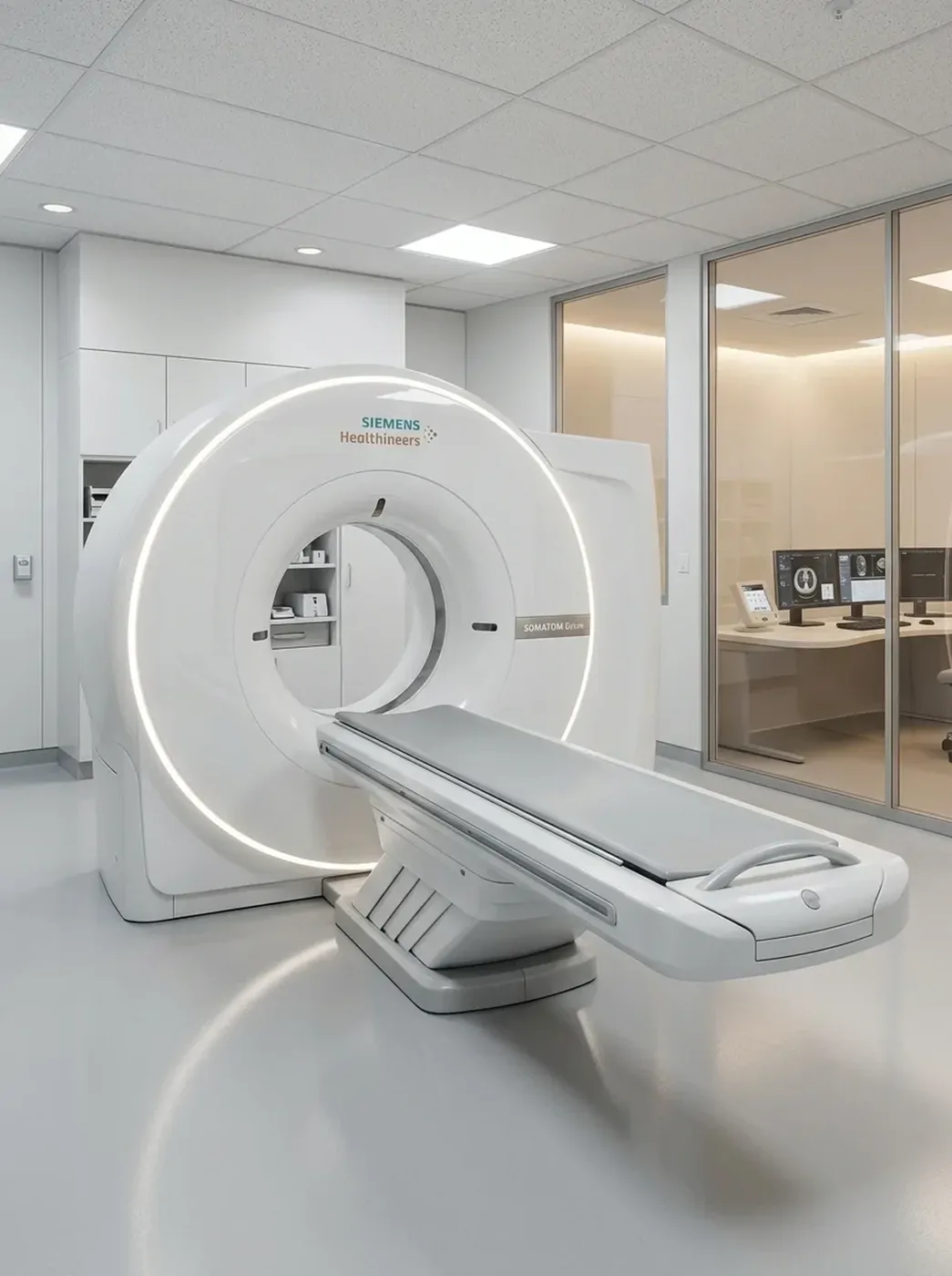
Coronary CT angiography (CCTA) uses contrast to show the coronary arteries: narrowing, plaque and anatomy. Cardiac MRI (CMR) assesses the heart muscle, inflammation, scarring and ventricular function. Each is chosen for a different clinical question.
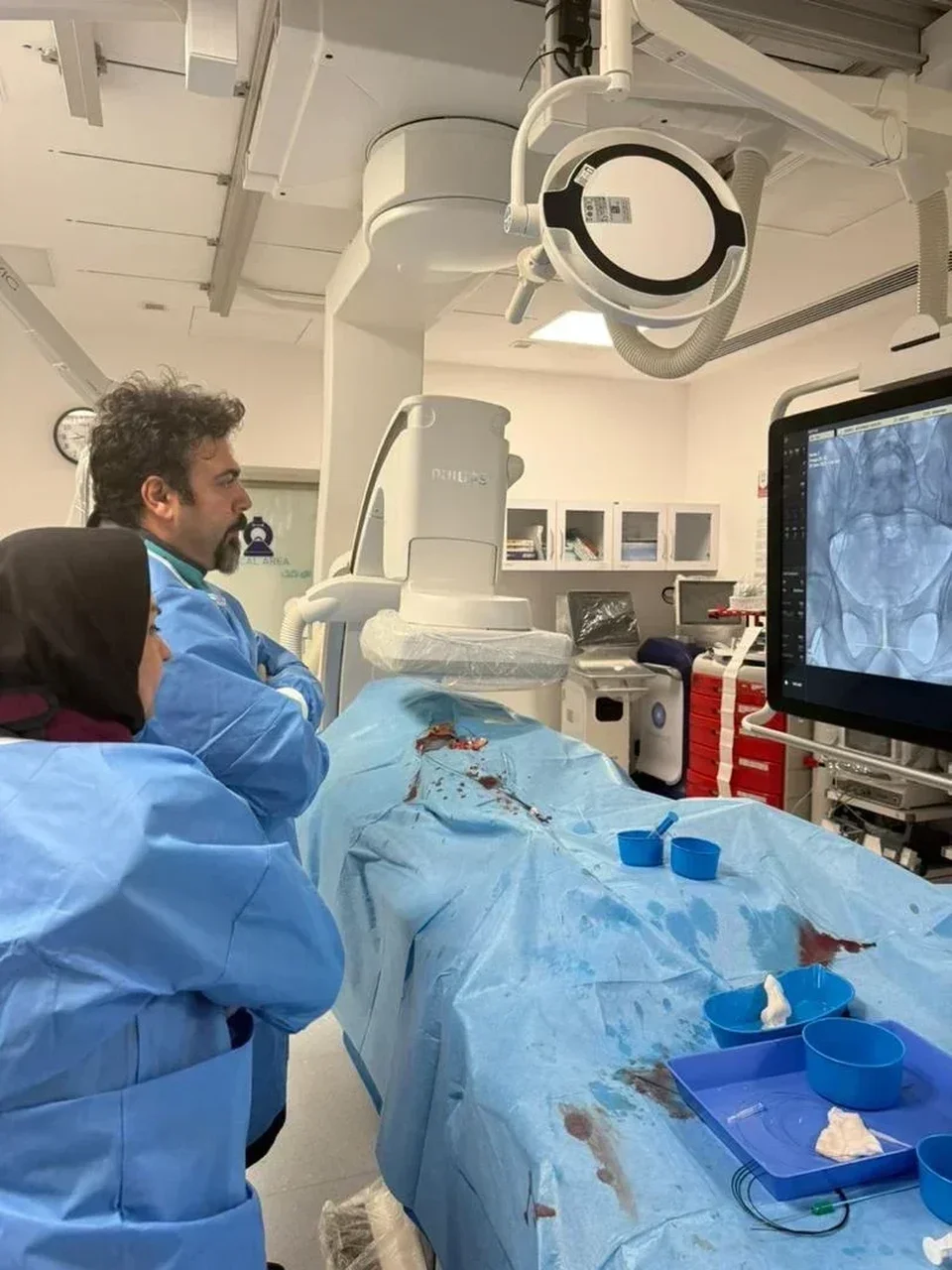
Dr. Kiara Rezaei Kalantari is a cardiovascular imaging (CT, MRI) subspecialist as well as an interventional radiologist (Medical Council of Iran No. 112428).
Who are they recommended for?
- Chest pain with cardiovascular risk factors
- Assessment before a cardiac intervention or surgery
- Cardiomyopathy, myocarditis or congenital heart defects
- Follow-up of known heart disease
- Abnormal ECG or echocardiography results that need further imaging
The value of subspecialist interpretation
A cardiac CT or MRI report is more than a list of findings; it must be interpreted alongside age, symptoms and tests. Interpretation by a cardiovascular imaging subspecialist helps avoid unnecessary procedures and missed diagnoses.
Reminder: sudden, severe chest pain is an emergency. CT or MRI is performed only on your treating doctor's request.
Frequently asked questions
Why have a cardiac CT/MRI interpreted by a subspecialist?
What is the difference between cardiac CT and cardiac MRI?
How long does a cardiac CT take?
Does cardiac MRI use radiation?
Do patients come from outside Tehran?
This page is for general education. The right treatment is chosen only after an examination and a review of your images and medical records.