Why this approach?
No open surgery
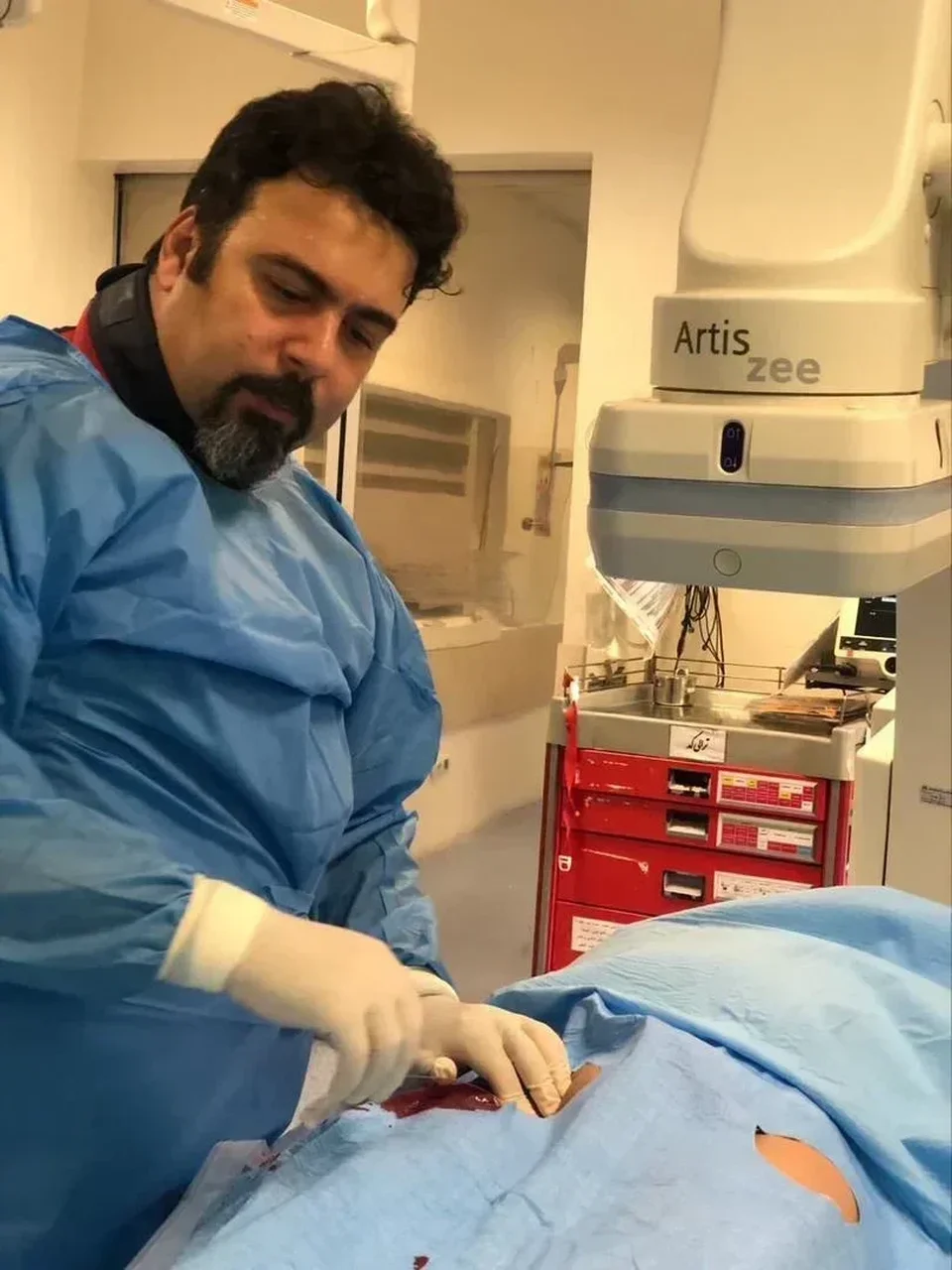
Access through an artery in the groin with a thin catheter; many patients go home the same or the next day.
Targeting the feeding arteries
Angiography identifies the arteries supplying the prostate, which are then blocked to reduce volume and pressure.
Specialist follow-up
Symptom assessment and imaging before and after the procedure are part of the treatment plan.
Procedure steps
-
1
Consultation and assessment
Urinary history, medications and previous imaging (ultrasound or MRI) are reviewed to confirm PAE is right for you.
-
2
The PAE procedure
In the angiography suite, under live imaging, microparticles are delivered through the artery into the target vessels.
-
3
Care and follow-up
Post-procedure instructions, pain control and the timing of symptom and imaging follow-up are explained.
Benign prostatic hyperplasia (BPH) can disrupt sleep, work and everyday comfort. If medication has not been enough, or you prefer not to have open surgery or transurethral resection of the prostate (TURP), prostate artery embolization (PAE) is a minimally invasive option that has gained attention in recent years.
What is PAE?
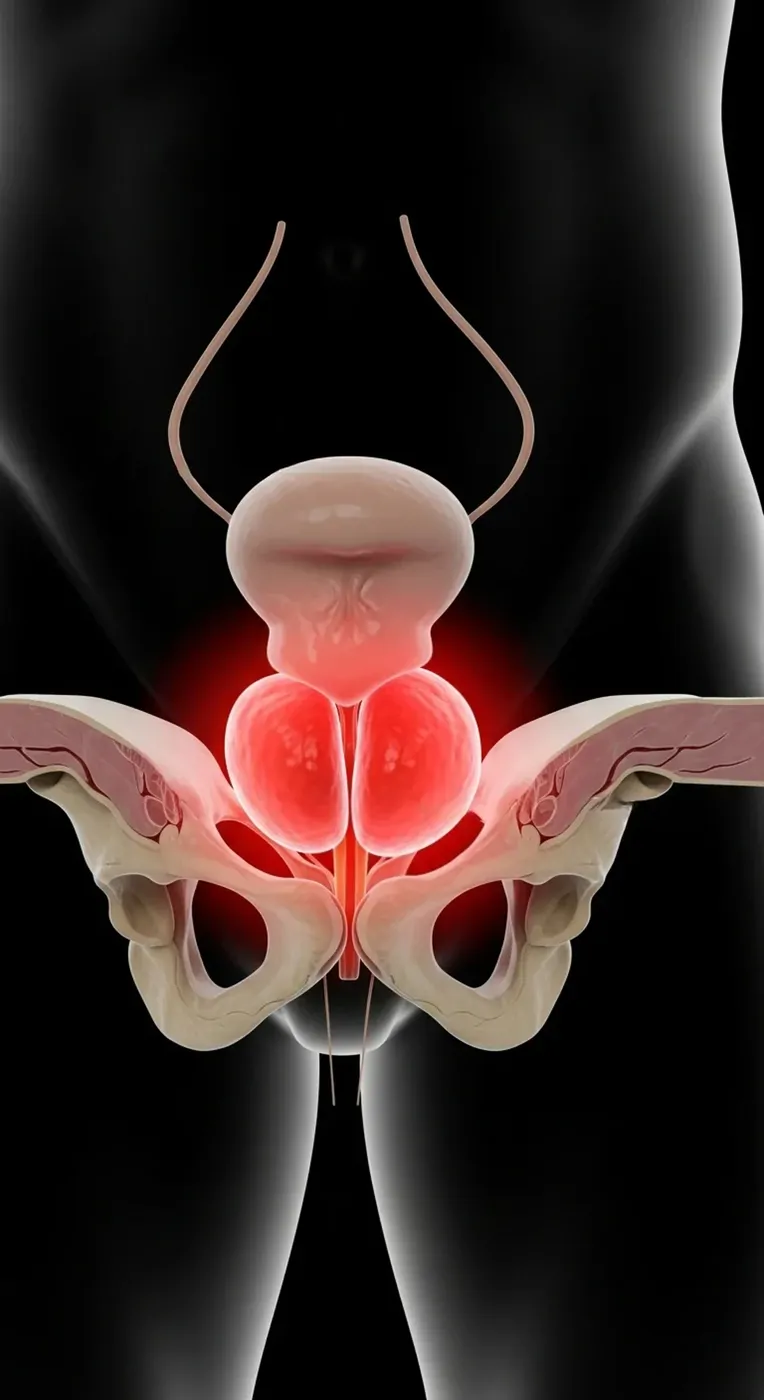
A thin catheter is passed through an artery, usually in the groin, and angiography shows the arteries that feed the prostate. Tiny particles are then injected into the target arteries to reduce the blood supply to part of the gland. The aim is to relieve pressure on the urethra and gradually improve symptoms, not to remove the whole gland in one day.
Who is it for?
- Frequent urination, urgency or a weak stream that has not improved with medication
- A large prostate for which TURP or surgery is considered high-risk
- Preference for a less invasive method with a shorter recovery than some surgeries
- Patients found to be suitable candidates after a full assessment
PAE is not suitable for everyone; prostate size, vascular anatomy and other conditions matter.
Benefits and limitations
The main advantage is that no open incision is needed. Possible side effects, such as pelvic pain, fever or minor bleeding, vary between individuals and should be discussed realistically. Symptom improvement may take several weeks.
Frequently asked questions
What exactly is PAE?
Who is PAE suitable for?
How long does PAE take?
Is PAE a replacement for TURP?
What should I expect after PAE?
This page is for general education. The right treatment is chosen only after an examination and a review of your images and medical records.