Why this approach?
No long hospital stay
Most methods are outpatient, and you go home the same day.
Less pain than surgery
Rubber band ligation and sclerotherapy are usually performed with local anaesthesia.
A quick return
Light activity from the next day; avoid straining with hard stools.
Procedure steps
-
1
Examination and grading
The grade of the haemorrhoids (I–IV) and the symptoms (bleeding, prolapse) are determined.
-
2
Minimally invasive treatment
Rubber band ligation for grades II–III, sclerotherapy for bleeding, radiofrequency or ligation techniques in selected cases.
-
3
Aftercare
Fibre, fluids, warm sitz baths and follow-up if bleeding occurs.
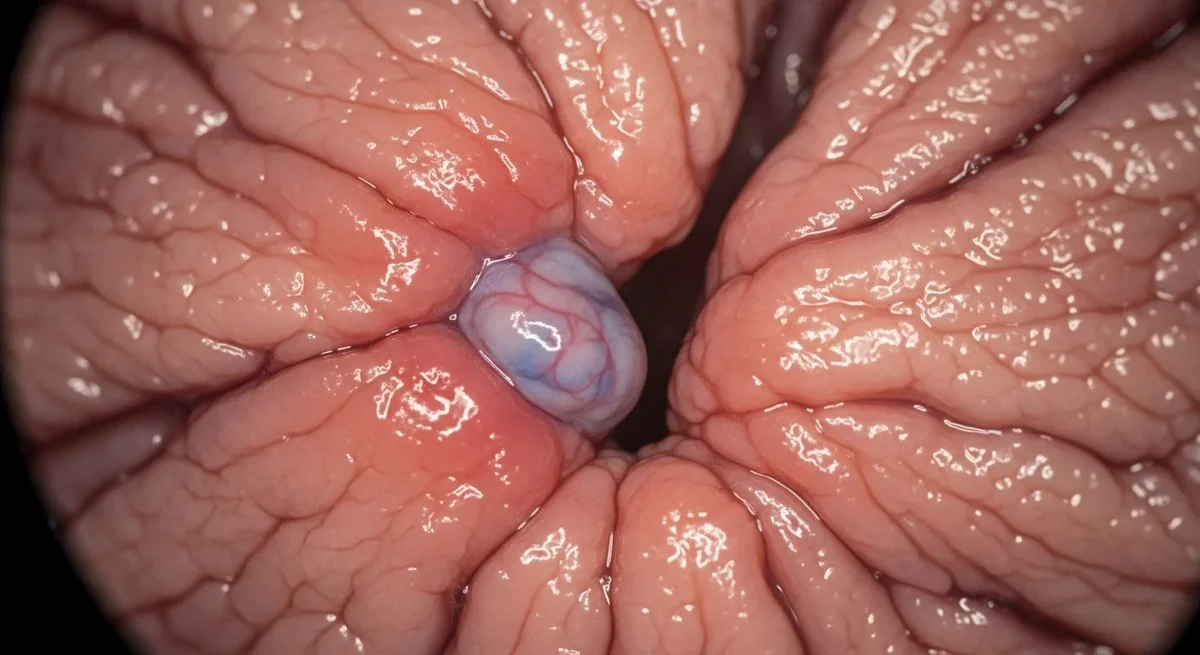
Haemorrhoids are one of the most common anal complaints: bleeding, itching or a feeling of a lump. Surgery is reserved for grade IV or resistant cases, while grades I to III are often treated with minimally invasive methods.
What are haemorrhoids?
Swollen haemorrhoidal veins in the anal canal. Grade I: bleeding. Grade II: prolapse that returns by itself. Grade III: prolapse that must be pushed back. Grade IV: permanently prolapsed. Treatment depends on the grade.
Non-surgical methods
- Rubber band ligation (RBL): for grades II–III
- Sclerotherapy: injection to stop bleeding
- Radiofrequency or ligation techniques: coagulation of the vessels
- Haemorrhoidal artery embolization: in selected cases with bleeding
Reminder: rectal bleeding should always be investigated by a doctor.
Frequently asked questions
Which grades of haemorrhoids can be treated without surgery?
What is rubber band ligation?
Is the treatment painful?
Can haemorrhoids come back?
What should I do about rectal bleeding?
This page is for general education. The right treatment is chosen only after an examination and a review of your images and medical records.