Why this approach?
An addition to medication
For blood pressure that remains uncontrolled despite several drugs, RDN is an additional option.
Through the arteries
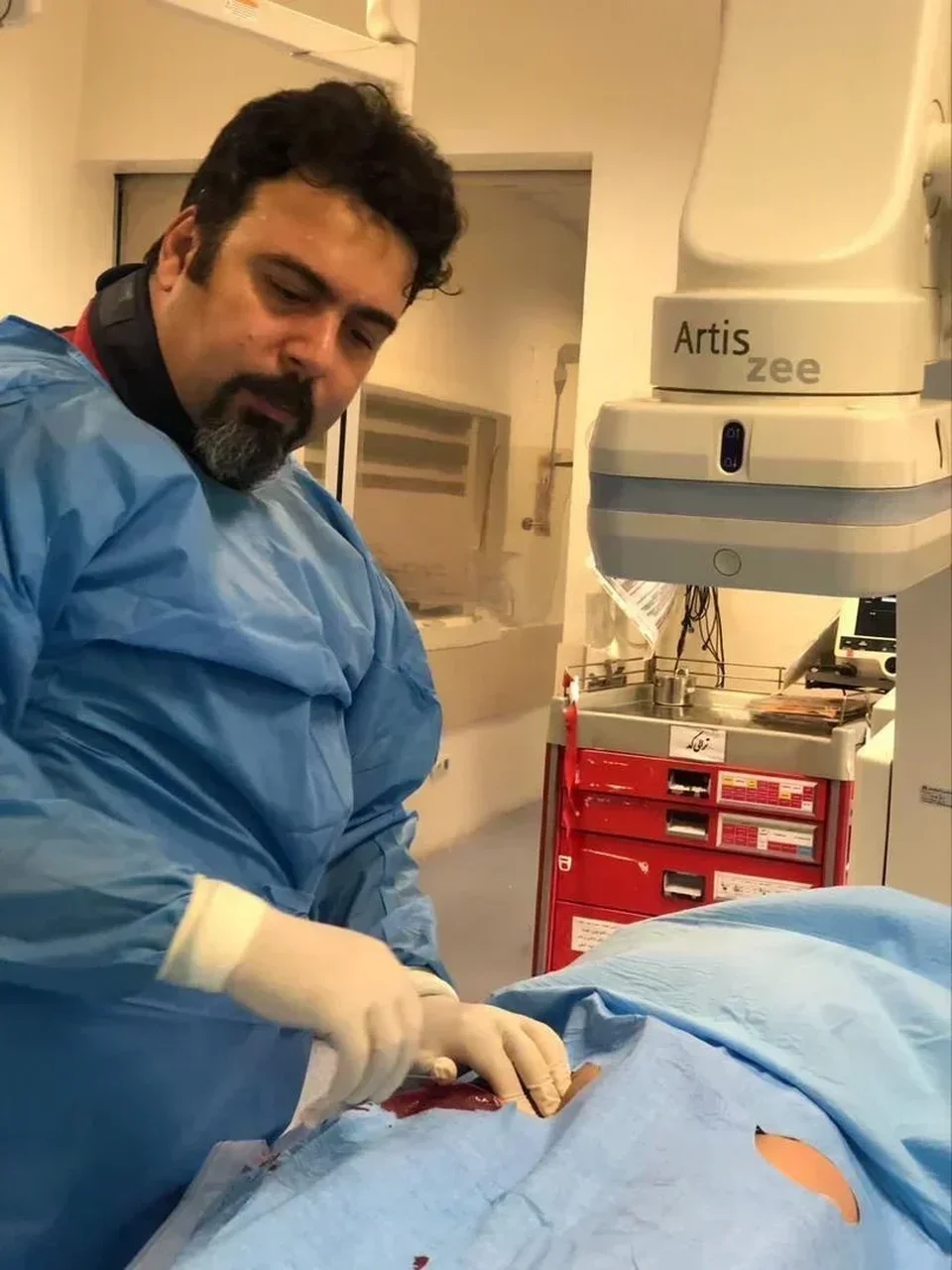
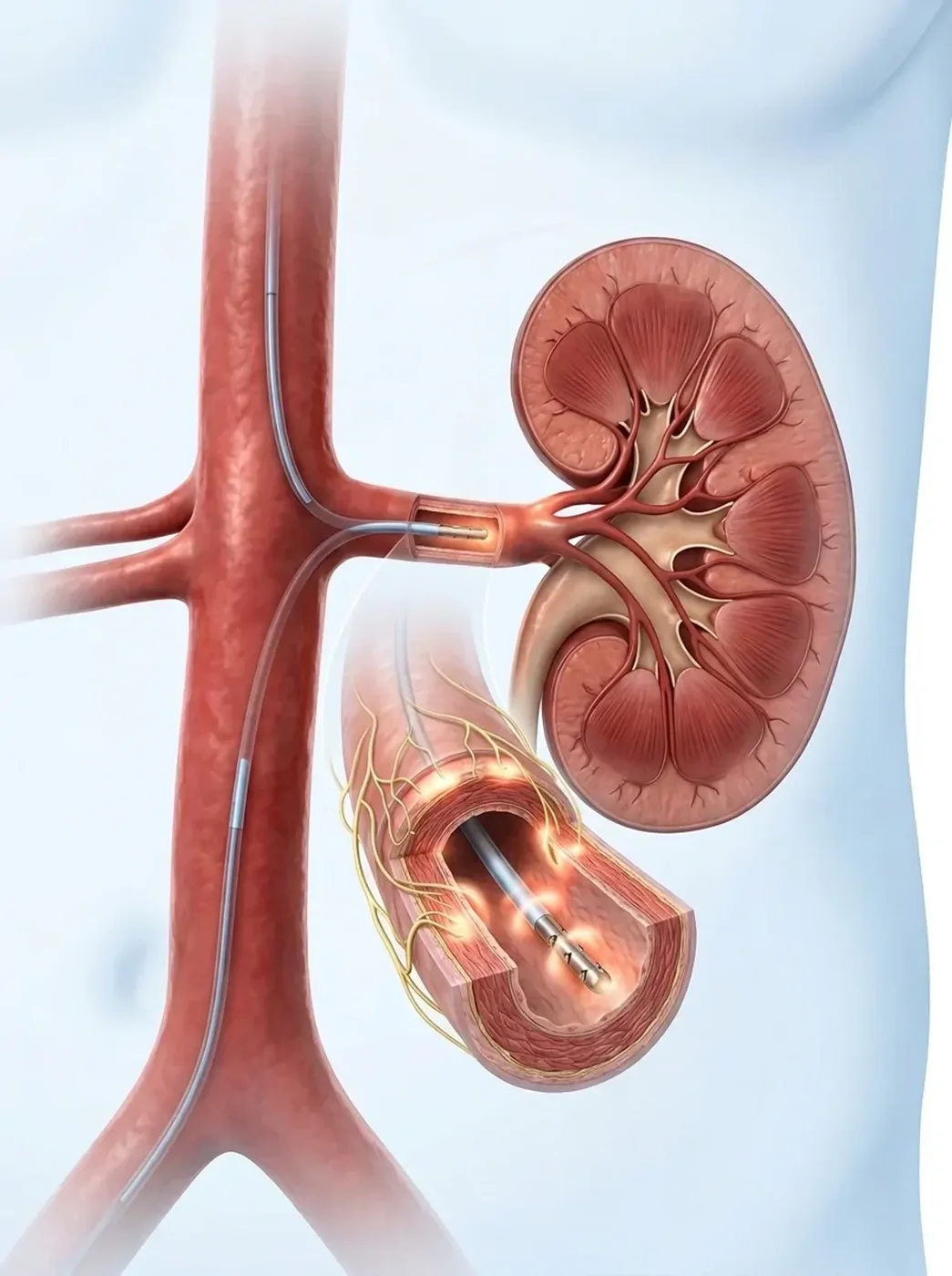
The procedure is performed from inside the kidney arteries with a thin catheter under angiographic guidance.
Careful selection
Secondary causes of high blood pressure are ruled out before treatment, in coordination with your physician or cardiologist.
Procedure steps
-
1
Assessment
Confirmation of resistant hypertension, review of medications and exclusion of secondary causes.
-
2
Renal denervation
Radiofrequency or ultrasound energy is applied at defined points inside the kidney arteries to reduce nerve signalling.
-
3
Blood pressure follow-up
Regular monitoring and medication adjustment with your physician over the following weeks and months.
Resistant hypertension means that blood pressure remains high despite several medications, keeping the risk of stroke, kidney failure and heart disease elevated. Renal denervation (RDN) is a newer intervention that targets the kidney nerves from inside the arteries.
What is RDN?
The sympathetic nerves around the kidney arteries help regulate blood pressure. With a thin catheter inside the artery, defined points are treated with radiofrequency or ultrasound energy to reduce nerve signalling. The whole procedure is performed under angiography.
Who is it for?
- Blood pressure that remains high on several medications
- Intolerance of medication or difficulty with adherence
- Patients in whom secondary causes (such as phaeochromocytoma or severe sleep apnoea) have been excluded
Benefits
An option in addition to medication, without open surgery. Not everyone responds, and it does not replace a healthy lifestyle or medication.
Reminder: a sudden rise in blood pressure with severe headache is an emergency.
Frequently asked questions
What is renal denervation?
Who is it for?
Can I stop my medications?
What are the side effects?
How long until blood pressure falls?
This page is for general education. The right treatment is chosen only after an examination and a review of your images and medical records.