Why this approach?
Real-time image precision
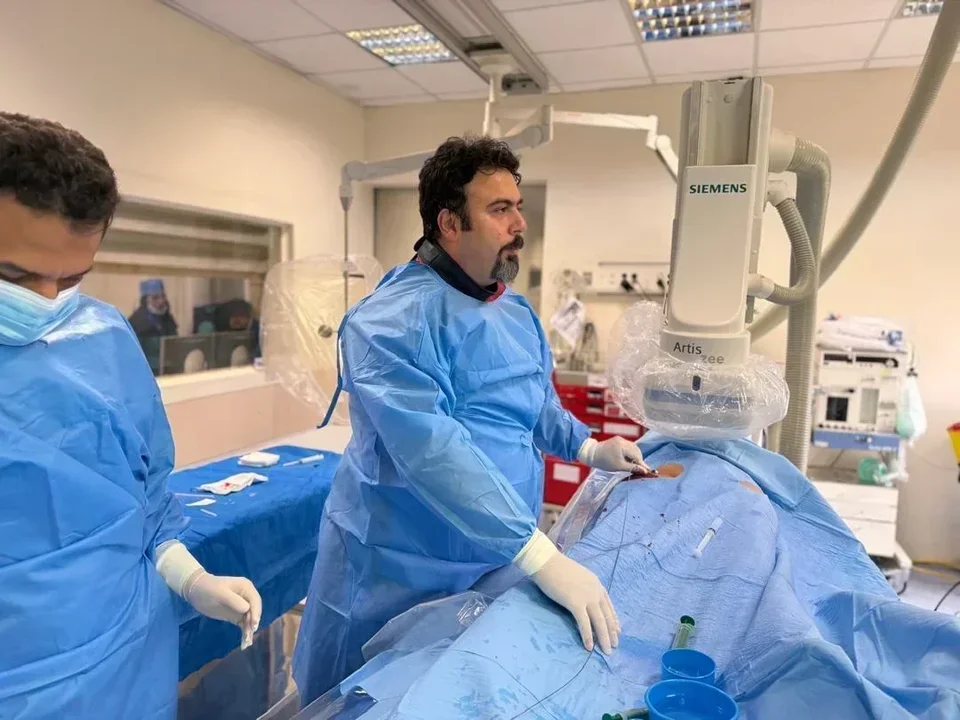
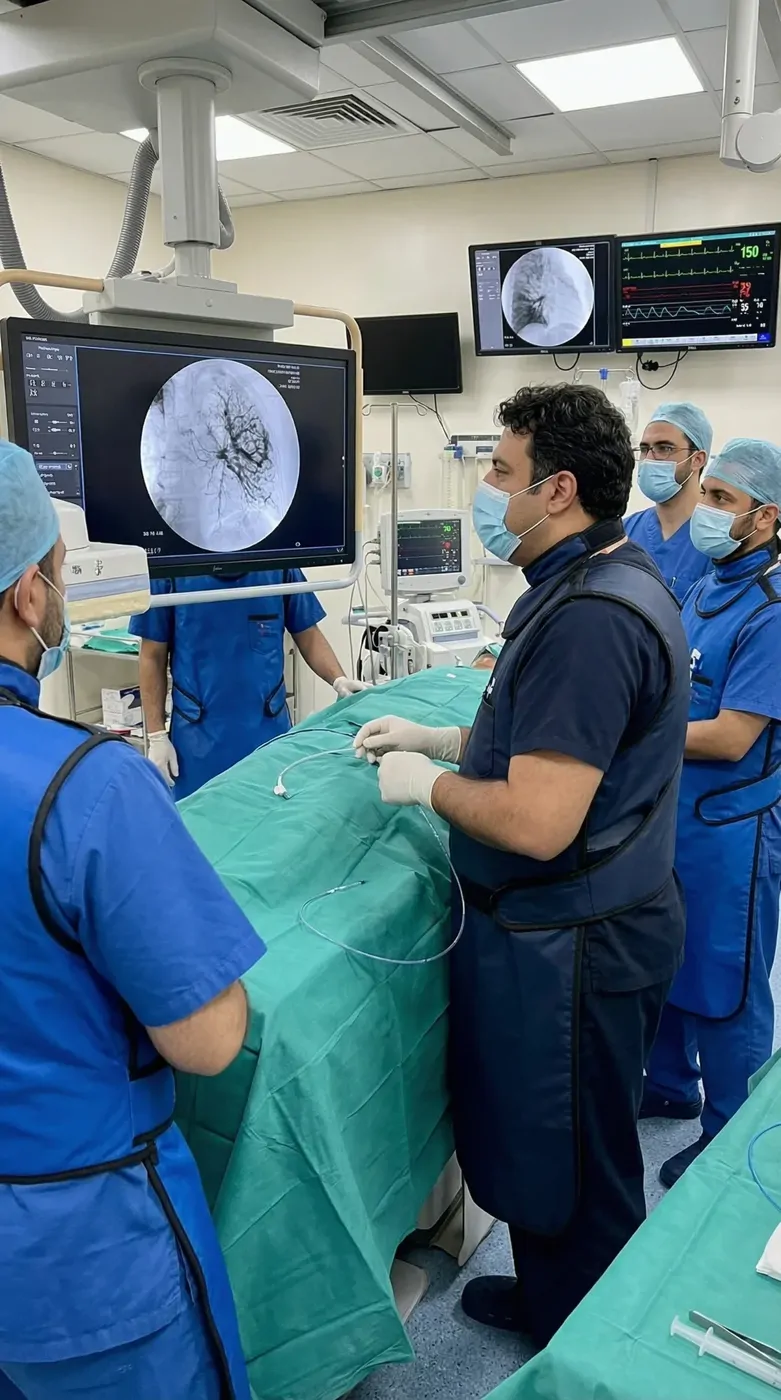
Treatment decisions are based on live angiography, ultrasound or CT images, not guesswork.
Minimally invasive
Many procedures need no large incision; a shorter recovery and a faster return to daily life.
An interventional radiology subspecialist
Fellowship training and years of interventional experience in Tehran.
Procedure steps
-
1
Consultation at the clinic
Your records, previous images and history are reviewed in Pasdaran so the treatment path is clear.
-
2
Image-guided procedure
At the right time, the procedure is performed under angiography, ultrasound or CT with minimal harm to healthy tissue.
-
3
Follow-up
Your condition after the procedure and the next steps are explained in plain language, at the clinic or by phone.
If your doctor has mentioned "interventional radiology" or an "image-guided intervention", you are looking for an approach that is both precise and as minimally invasive as possible. Interventional radiology, a branch of radiology, offers exactly that.
What is interventional radiology?
Using live ultrasound, angiography, CT or MRI, the physician guides treatment instruments to the target. Healthy tissue is spared as much as possible, and the physician sees exactly what is happening in real time. From image-guided biopsy to embolization and ablation, all fall under interventional radiology.
Who is it considered for?
- People who need an image-guided procedure instead of open surgery
- Vascular, liver, kidney, uterine or prostate conditions
- Tumours suitable for ablation or embolization
- Patients for whom surgery is high-risk
A final decision is possible only after an in-person examination.
Why an interventional radiology subspecialist matters
Interventional radiology is not just equipment: real-time image interpretation, knowledge of anatomy and experience in managing complications are what matter most. At the Pasdaran clinic, there is time for questions before any procedure, so you know exactly what will happen.
Frequently asked questions
Which treatments does interventional radiology include?
Why does a subspecialist matter?
How does it differ from open surgery?
How do I get to the Pasdaran clinic?
Do patients come from other cities?
This page is for general education. The right treatment is chosen only after an examination and a review of your images and medical records.